What are the four sundays of advent?
Each of the four Sundays of Advent highlights a unique theme that helps believers prepare spiritually for Christmas. Observed during the four weeks before Christmas Day, these Sundays encourage reflection, anticipation, and renewal of faith.
First Sunday of Advent – Hope
The first Sunday celebrates hope and anticipation for Christ’s coming. Believers look forward with faith and trust in God’s promises. The first candle, called the Prophet’s Candle, symbolises hope and the light that guides humanity through darkness.
Second Sunday of Advent – Peace
The second Sunday focuses on peace and preparation for Christ’s arrival. It invites believers to seek inner calm and harmony with others. The second candle, the Bethlehem Candle, represents faith and peace, reflecting the stillness of the holy night in Bethlehem.
Third Sunday of Advent – Joy
The third Sunday, known as Gaudete Sunday, marks a joyful shift in the Advent season. As Christmas approaches, this week celebrates rejoicing and gratitude. The pink candle lit on this Sunday symbolises joy and the happiness that flows from God’s love.
Fourth Sunday of Advent – Love
The final Sunday of Advent celebrates love, the greatest expression of God’s gift to the world through the birth of Jesus. Lighting the Angel’s Candle on this day represents love and goodwill, reminding believers of divine compassion that unites all people.
Together, these four Sundays create a spiritual journey that moves from hope and peace to joy and love, preparing hearts for the celebration of Christmas.

can any type of candles be used for the four sundays of advent?
Yes, any type of candles can mark the four Sundays of Advent. Many people, however, choose traditional colours and arrangements for their symbolic meaning. A traditional Advent wreath includes four candles:
Three purple candles for Hope, Peace, and Love.
One pink candle for Joy (lit on the third Sunday, Gaudete Sunday)
Some people also add a fifth white candle, the Christ Candle, placed in the centre of the wreath. Lighting it on Christmas Eve or Christmas Day symbolises the birth of Christ and the arrival of divine light.
The colours and arrangement hold deep symbolism, but the true meaning of Advent comes from reflection and anticipation. Whether using tea lights, pillar candles, or luxury scented candles, the goal is to create a peaceful atmosphere that encourages mindfulness and reverence each week. Pillar candles, or scented ones as long as they help create a sense of reverence and focus for each week’s theme.
What religions celebrate using candles?
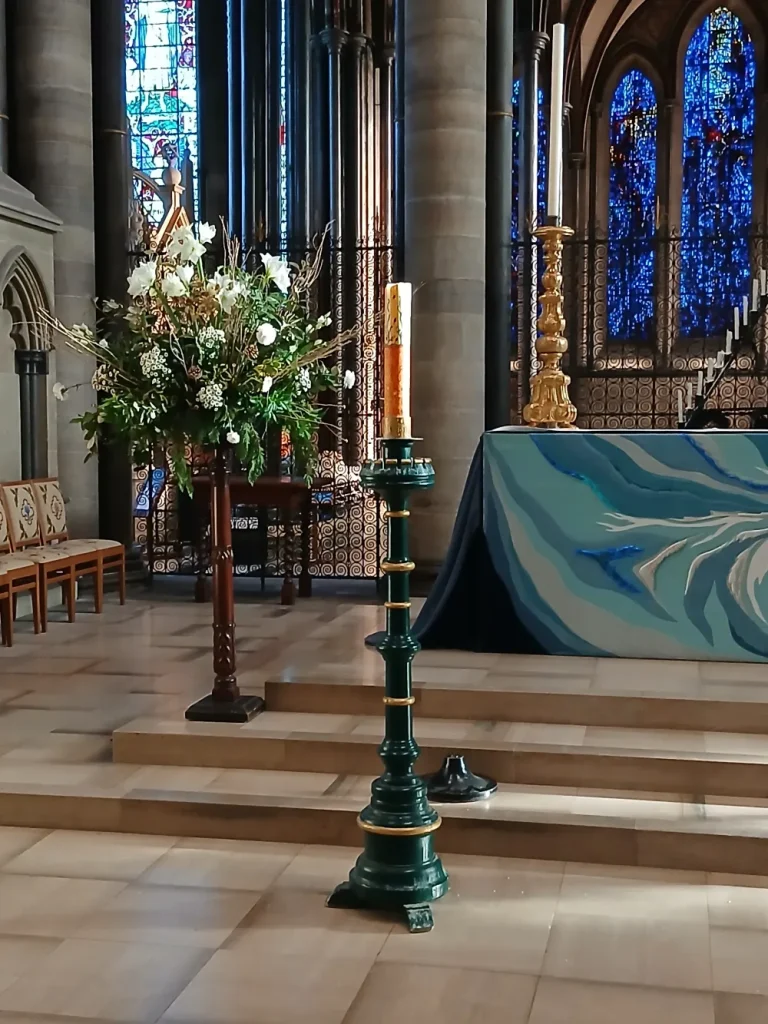
Many religions incorporate candles into their rituals and celebrations because light symbolizes purity, divinity, and spiritual awakening. Some of the major faiths that use candles include:
- Christianity: Candles are used in worship, prayer, and ceremonies such as Advent, Christmas, Easter, and vigils. They symbolize Christ as the “Light of the World.”
- Judaism: Candles play a central role in rituals like Shabbat (Sabbath) candle lighting, Hanukkah (the Festival of Lights), and Yahrzeit (memorial candles for the deceased).
- Buddhism: Candles are often placed on altars alongside incense and flowers as offerings to Buddha, representing enlightenment and the light of wisdom.
- Hinduism: Lamps and candles (diyas) are used in pujas (prayers) and festivals like Diwali to honor deities and symbolize the victory of light over darkness.
- Islam: While candles are not a formal part of Islamic ritual, they may be used culturally during celebrations or remembrance events to create a peaceful, reflective atmosphere.
- Paganism and Wicca: Candles are central in rituals and spellwork, representing the element of fire, intention, and spiritual energy.
Across these traditions, candles serve as a bridge between the physical and spiritual worlds, embodying light, hope, and divine presence.